Current Projects on Painscastle Commons
Cattle
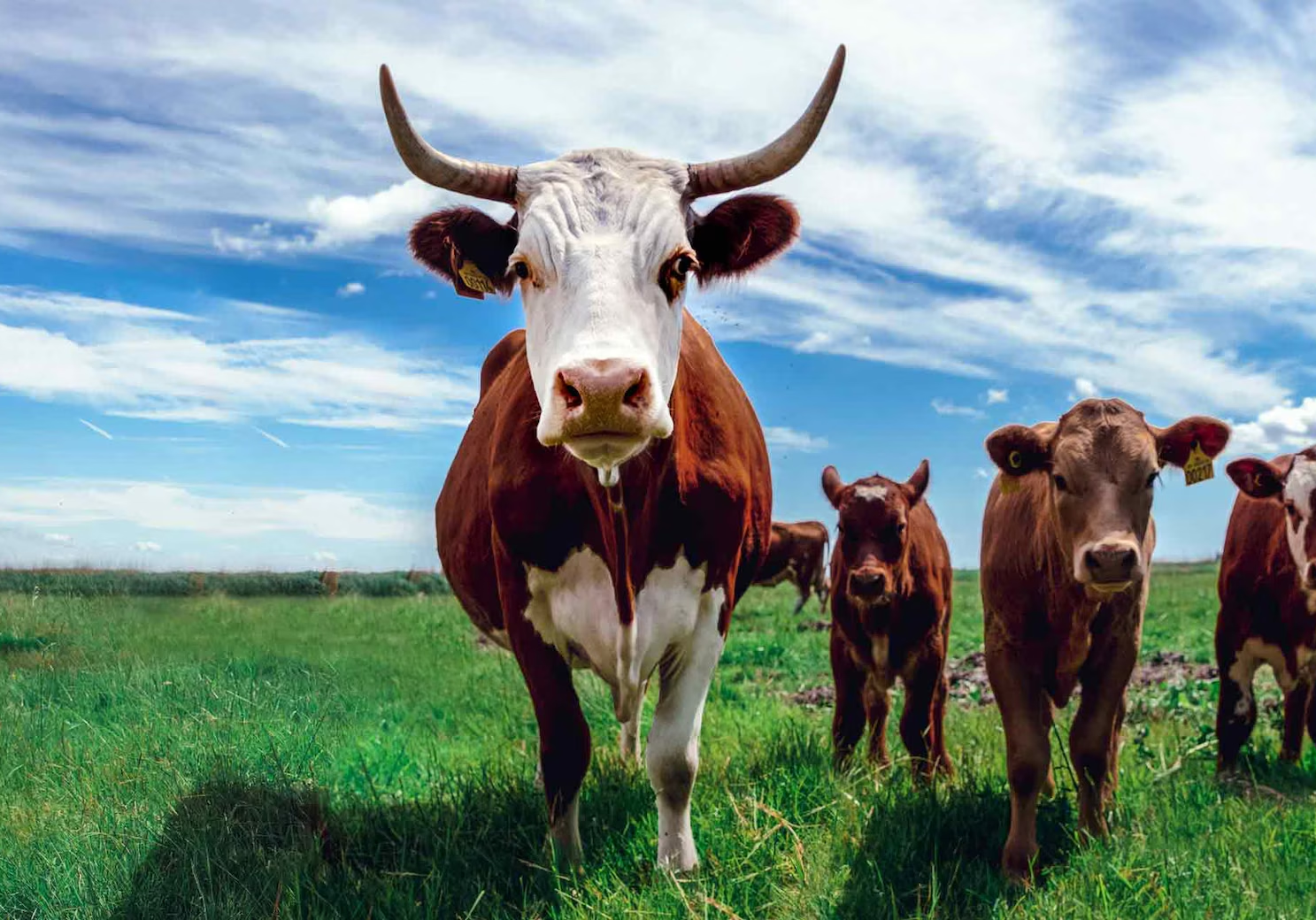
Cattle are used for conservation grazing and we hope to replicate that on the common. Cattle will be supplied by farmers with grazing rights and, after a period of training, will be managed using collars. The cattle will help to clear bracken and gorse through trampling, enabling a mosaic of habitats to thrive and will benefit insects and small invertebrates by creating mini habitats at the edge of ponds and water courses. By using the geolocation collars we can manage sensitive grazing and protect ground-nesting birds during the nesting season
Sheep
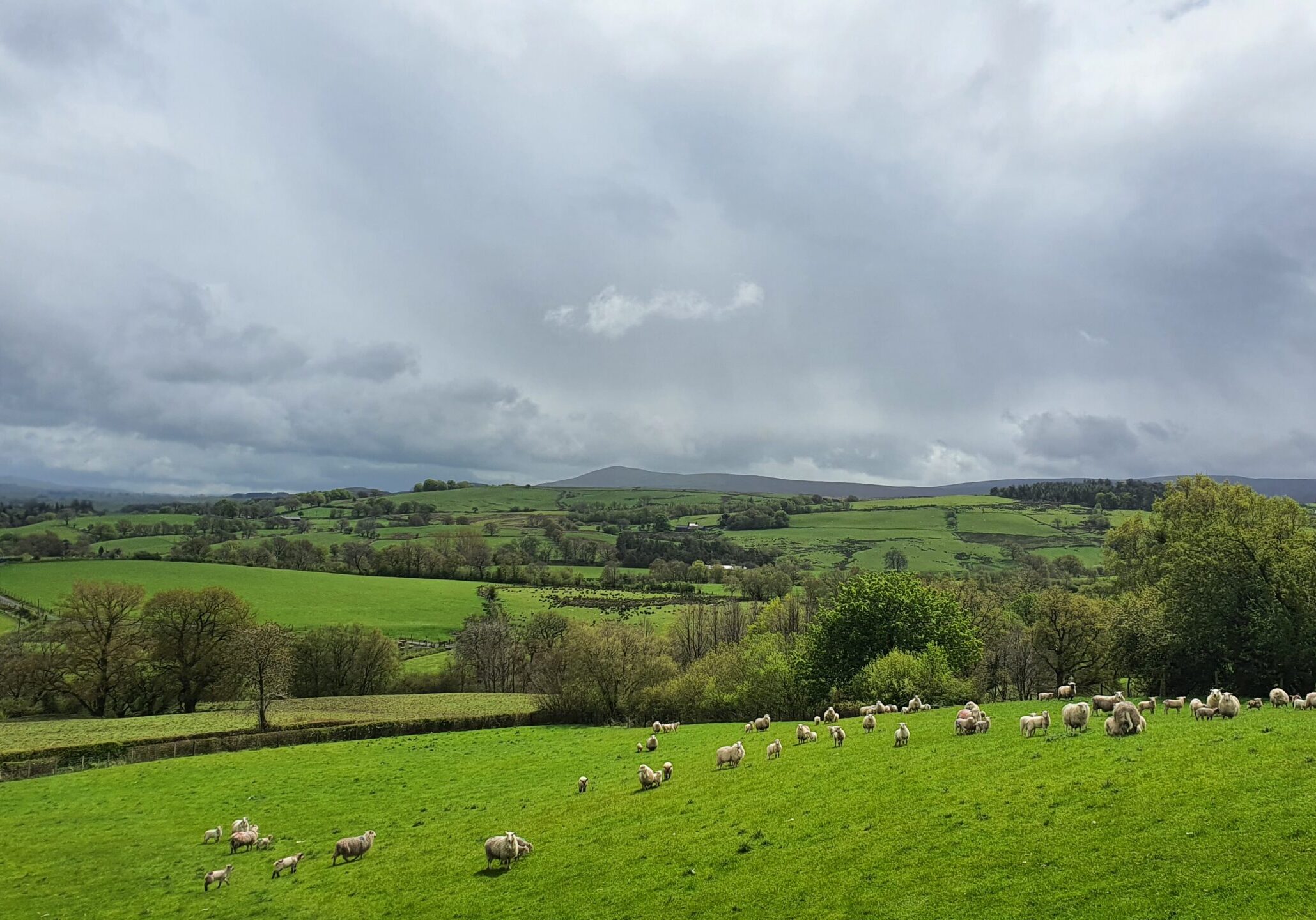
Sheep are central to the common. Over the years the number of active graziers has reduced as farming practices and sheep breeds have changed. This has led to challenges for the remaining graziers. The twin aims of the scheme are to prevent this loss of active graziers and to address the increase in ticks prevalent on the hill.
The tick population has increased over the years. In order to determine initial tick distribution areas of contrasting vegetation across the hill will be sampled. Ticks will be collected from various hosts throughout the duration of the scheme. Species collected will be monitored in conjunction with the UK Health Security Agency Tick Surveillance Scheme (UKHSA TSS).
Sheep are to be gathered at regular intervals, checked and treated. In future years the distribution of ticks across the hill will be monitored, treatment of the sheep will be repeated as necessary.
Water & Tracks
Water is essential for stock and for nature. The project aims to increase storage of water during dry periods and to mitigate flooding further downstream. As part of this existing ponds will be maintained and new ones created. By creating new habitats it is hoped that we can encourage and increase curlew numbers on the hill. Co-ordinated predator control will also be undertaken by gamekeepers and graziers to protect the ground-nesting birds.
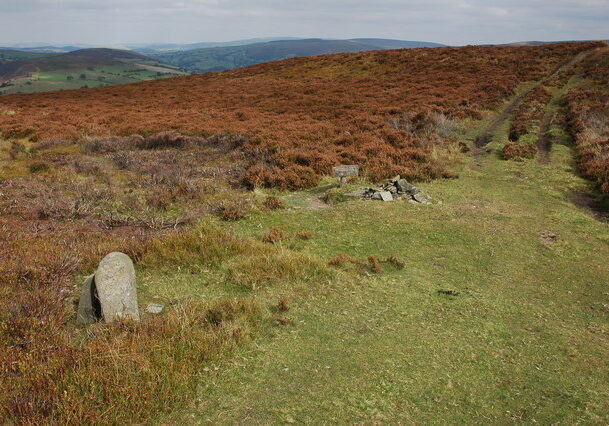
Access is important for stock welfare. In the past shepherding was done on horseback, with access tracks less important. Now quad bikes are the transport of choice, safe tracks are essential. Illegal vehicles and erosion by water have damaged tracks across the hill. These are to be repaired and some will be extended.
Bracken & Gorse Control
It is essential we keep diverse habitats on the hill to benefit all species. Over the years bracken, gorse and bramble have become more widespread due to a number of reasons including change in grazing practices and climate change. In order to maintain the diverse habitat on the hill we need to control these plants.
Over the course of the project, where possible the bracken, gorse and bramble will be cut using innovative machinery and more conventional methods. A small amount of selective spraying will need to take place to prevent complete obliteration of some areas of grass and heather. Heather management will be undertaken as previously by the landowner’s staff. This will help maintain the heather areas in good condition to benefit the remaining grouse population.
Hedges & Fencing
Well maintained boundary hedges provide much needed shelter for stock as well as providing continuity along the edges of the hill. They will also help to join up the wooded dingles that are part of the ancient landscape, creating routes for wildlife to travel along. In order to protect the hedges and integrity of the hill boundaries good fencing is an essential part of this part of the project.
Ponies
The hill is home to registered semi-feral Welsh Mountain pony herds. The low value of foals has meant that an organised breeding programme has not been viable. Without a plan for the future the herds will die out and at least 300 years of heritage will be lost.
A breeding programme will be put into action to preserve the heritage and improve the value and genetics of the foals.